Wonders of Multilingualism#8: Multilingual Dutch
The interactive series Wonders of Multilingualism is a collaboration between Kaaitheater and Passa Porta. Previous editions have explored themes such as language and identity, comfort, migration, power, and language acquisition or mother tongue. This eighth and final edition, with the theme ‘Multilingual Dutch’ (Meertalig Nederlands), focuses on how a multilingual society enriches the Dutch language.
category
Price
Discount
language
Multilingual Dutch
A multilingual society constantly enriches the Dutch language with new stories, words and sounds. Writers Tessa Leuwsha, Mira Bryssinck and Lisetta Ma Neza each pay tribute to ‘Multilingual Dutch’ (Meertalig Nederlands), in pieces written especially for this programme. Academic Hari Prasad Sacré offers a guide to understanding and supporting the renewal of the Dutch language. He explains how ‘Multilingual Dutch’ (Meertalig Nederlands) emerged from experiences of migration and continued to evolve through stories about gender and disability.
from suriname to brussels
An evening where you can journey from Suriname to Brussels, whether you’re a long-time or a new speaker of Dutch. Connect with the Dutch language as it tells underrepresented stories about the past, present and future.
On 3 December, head to RITCS for the second part of Wonders of Multilingualism #8, featuring the documentary Mama Sranan by Tessa Leuwsha and a post-screening discussion with the director.
This programme is curated by Hari Prasad Sacré. At the invitation of Kaaitheater and Passa Porta, Hari developed this programme around his keynote speech ‘Multilingual Dutch’ (Meertalig Nederlands). This text recently appeared as a chapter in the book Language & Policy in Higher Education. Participants attending the programme will receive a copy of this text.
about the authors
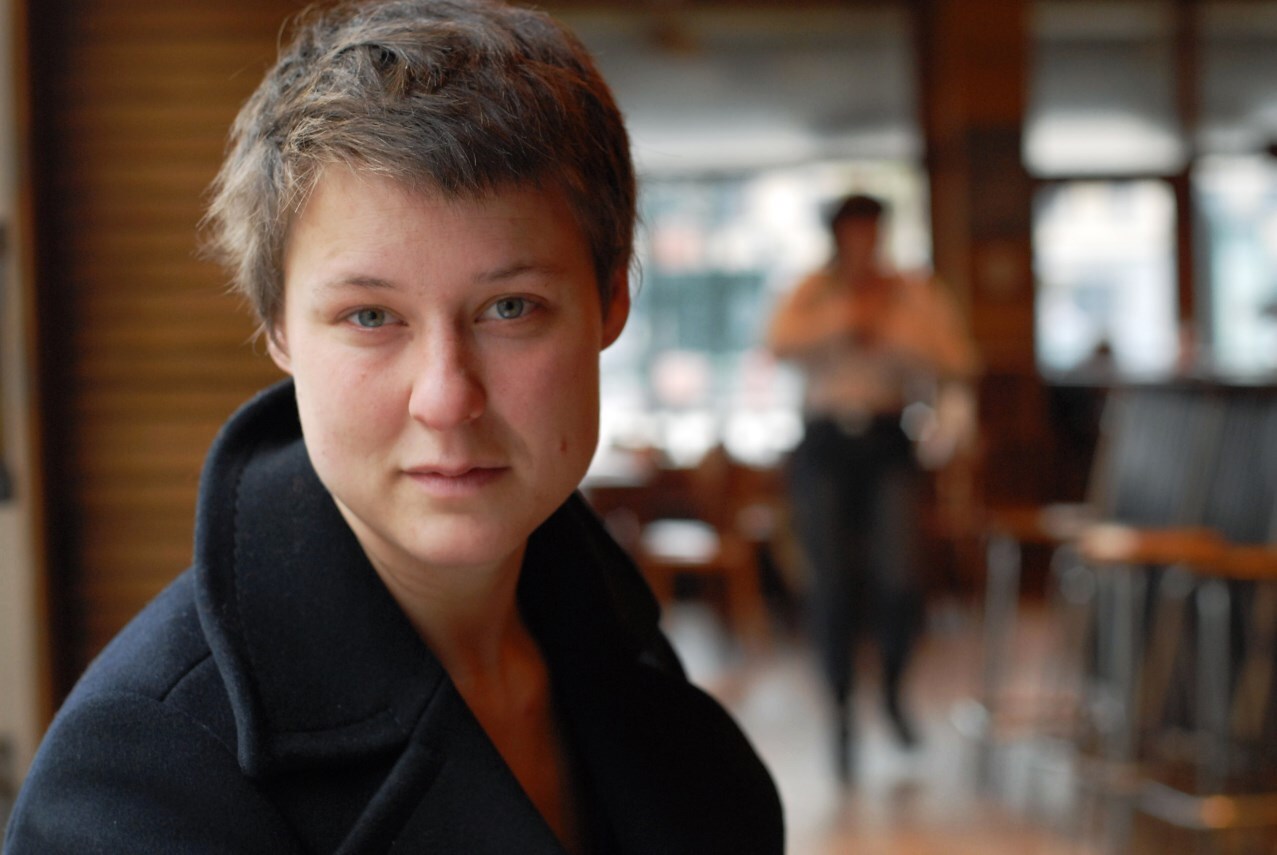
Lisette Ma Neza is a poet, singer and filmmaker, born in the Netherlands and based in Brussels. In 2017, she became the first woman to win the Belgian Poetry Slam Championship. She served as Brussels’ very first city poet until March 2026. Her work spans poetry, music, film and theatre. Drawing on her multilingual background, she explores language, identity and what happens when words fall short. In her book Untranslatable – an ode to multilingualism, she writes about the richness, complexity and beauty of living between different languages and worlds. Her work seeks to connect, poses questions and gives a voice to what often remains unspoken. Her new collection of poetry, How Many Cows Am I Worth?, is due to be published in November 2026.
Dr Hari Prasad Sacré is an academic and storyteller. He was adopted from Nepal and lives in Brussels. He researches themes such as language education and transnational adoption, always approaching them from a perspective aimed at strengthening citizens’ self-emancipation. Through his work on multilingual Dutch, he brings postcolonial thinking to Brussels, Flanders and the Netherlands. He is developing an emancipatory vision in which those who were initially oppressed by the Dutch language can now appropriate, update and renew it with new stories. He has published on postcolonial thinking in international journals such as Discourse: Studies in the Cultural Politics of Education
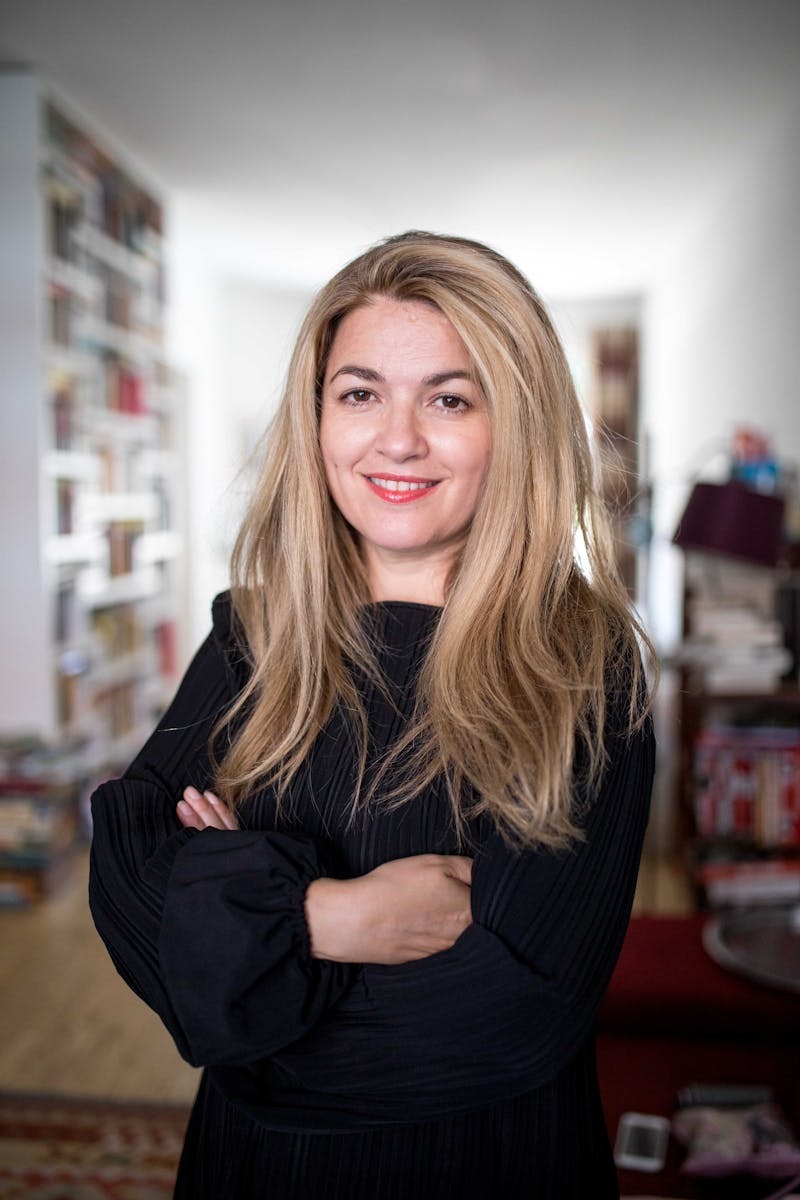
Tessa Leuwsha is a writer and documentary-maker based in Suriname. In her novels, literary non-fiction, essays and films, she explores Dutch-Surinamese colonial history and its impact on identity and society. Her acclaimed debut novel De Parbo-Blues and the novel Plantage Wildlust form part of her literary oeuvre. In 2025, Boni, in the Footsteps of the Surinamese Freedom Fighter was published. The book received rave reviews in the Netherlands, Suriname and the Caribbean. Leuwsha also gained international recognition with the award-winning documentary Moeder Suriname – Mama Sranan, which explores the history of Suriname through the eyes of her grandmother, inspired by her book Fansi’s Silence.
Mira Bryssinck is a theatre maker, actress, writer, teacher and activist (she graduated from KASK Ghent in 2016). Her theatre debut was the production Utopia (with Villa Voortman), which was performed at venues including Theater Aan Zee and Frascati in Amsterdam. She created and performed her first solo show, Glory Box, with Compagnie Cecilia. Mira also appeared in the much-talked-about television series Tytgat Chocolat (awarded the Prix Europa and the Diversity Prize at Cannes). She was the first recipient of the Karen Vernimmen Prize (2019) and the Vocatio Grant (2020), and received the VONK Award from VONK & ZONEN (2025) as an incentive prize for Iemands zus. The production was staged at Theater aan Zee, amongst other venues. Mira is a co-founder of Par Hasard. Her theatrical language is characterised by a lightness within complexity and physical performance, and she continually explores language as an instrument within this framework. Her (theatre) work combines intersectional activism and poetry. Mira is a co-founder of the collective Par Hasard, within which she also works as a creator and performer. Mira co-founded the grassroots movement Cripping the Space. She co-coached the production ON- by Danaë Bosman and HetPaleis, and also served as dramaturg for Ben & Vero by Benjamien Van De Walle and Veronique Mees under Caravaan Productions (awarded the prize for best ensemble performance).
portraits: lizette ma neza © ivan put, Tessa Leuwsha © Bob Bronshoff
Our partners for this event